Este post está disponible en:

Find out how freehold ownership allows you to protect your home, help your grown-up children and keep control of your estate. A key legal tool for the over 70s.
In the legal world there are mechanisms that allow older people to plan the future of their estate without losing stability and security. One of the most useful and least known is the bare ownership. This legal remedy allows the transfer of ownership of an asset, usually a home, while maintaining the right to live in it or use it for life.
This article is designed especially for you, who may be over 70 years old and wish to ensure the welfare of your children, now adults between 35 and 50 years old, without giving up your home or your rights. Here we explain what the bare ownership consists of, its advantages and how to use it correctly with legal advice.
What is the bare ownership?
The bare ownership is a legal concept whereby a person (the bare owner) has the legal ownership of a property, but does not have the right to use or enjoy it, as this right belongs to the usufructuary.
When a person passes on the bare ownership of their home, usually to their children, they can reserve the usufruct for life, i.e. the right to continue using the home (living in it or renting it out) until the end of their life.
Components:
– Nudo-owner: who legally owns the property, but cannot use it until the end of the usufruct.
– Usufructuary: who has the right of use and enjoyment of the property.
Practical example
Mrs Carmen, aged 78, lives in a house that has been her home for 40 years. She has two children aged 55 and 58, to whom she wants to leave the house. With the help of a law firm, she decides to donate the bare ownership to them, but reserves the usufruct for life.
🔹 What happens?
– Mrs Carmen continues to live in her house without any change in her daily life.
– Her children are already registered as joint owners, although they cannot sell or use the house while their mother is alive.
– When Mrs Carmen dies, the usufruct is automatically extinguished and her children become full owners, with no need for further formalities.

Why is it useful for older people?
Transferring the bare ownership allows you to plan for the future without losing control of the present. It is particularly useful if:
– You have adult children and want to organise your inheritance during your lifetime.
– You want to avoid future conflicts between your heirs.
– You want to reduce the tax costs associated with inheritance.
– You do not want to completely dispose of your home or rental income.
Legal and tax benefits. Freehold and usufruct.
1.✅Lifetime security: The usufruct gives you the legal right to use the property until your death. No one can force you to give it up.
2.✅ Tax relief: In many cases, donating the bare property is now more tax-efficient than leaving the entire property as an inheritance.
3.✅ Family peace of mind: Planning avoids disputes between heirs and facilitates estate succession.
4.✅Rental possibility: If you do not wish to live in the property, you can rent it out and receive the income, even after transferring the bare ownership.
What precautions should I take?
Although it is a secure legal figure, the bare ownership must be managed with care and specialised advice. It is essential:
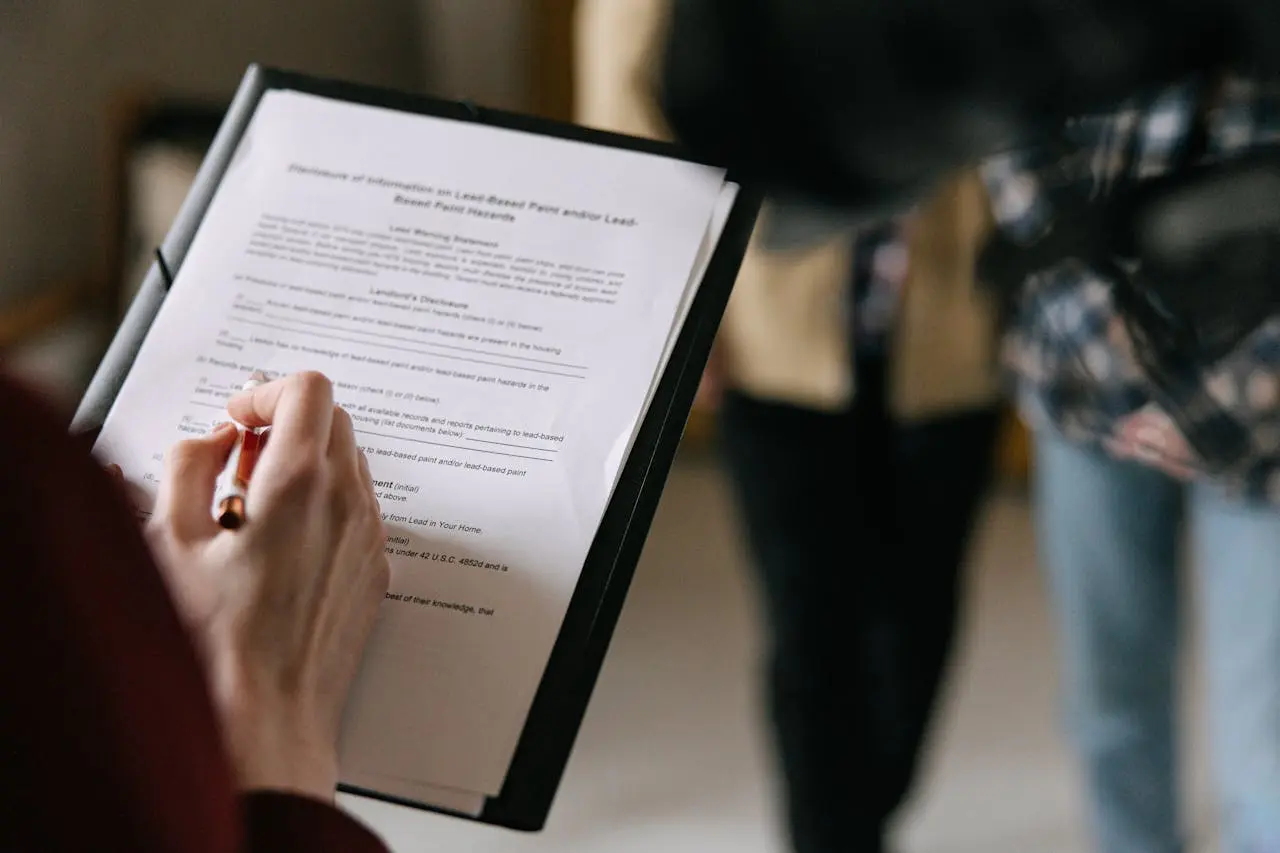
– Draw up the public deed of gift or sale correctly.
– Register the transfer in the Land Registry.
– Ensure that the usufruct is well defined (life, temporary, exclusive, etc.).
– Consider the impact on Inheritance and Gift Tax, which varies according to the Autonomous Community.
Is it the same as selling the house?
No. The bare ownership can be transferred free of charge ( as a gift) or for a price (as in a sale). In both cases, you retain the usufruct, which allows you to continue to live in or use the property.
Selling the house, on the other hand, means ceding all rights to someone else, and normally losing the possibility of living in the house unless expressly agreed.
What if I want to reverse the situation?
The gift of the bare ownership is irreversible, except in exceptional cases (for example, if a reversion clause has been agreed). This is why it is very important:
– Trust your beneficiaries.
– Be well advised by lawyers who are experts in civil and inheritance law.
– Evaluate other alternatives if you have doubts (such as a will or a gift with condition).
What if I have more than one child?
If you want to avoid future conflicts, you can:
– Distribute the bare property among all of you in equal shares.
– Reserve the usufruct and establish specific clauses (e.g. preferential right of use for one of the children).
– Provide for an equitable distribution in other assets or money to compensate for possible differences.
A lawyer can help you draw up the documents so that they reflect your wishes and are legally enforceable.
Conclusion Freehold and usufruct: Anticipate with security and peace of mind
The bare ownership is a valuable legal tool for older people who want to help their children today, without giving up their peace of mind and their home. With the right advice, you can protect your home, reduce taxes, organise your inheritance and avoid family conflicts.
At our law firm, we specialise in family law, inheritance and estate planning for seniors. We help you to understand all the options and to make informed and safe decisions.
Would you like personalised advice?
📞 Contact us for a free initial consultation. We explain whether bare ownership is right for you and how to implement it safely.
Plan a visit
Este post está disponible en:
